Building the Digital Infrastructure for Circular Economies
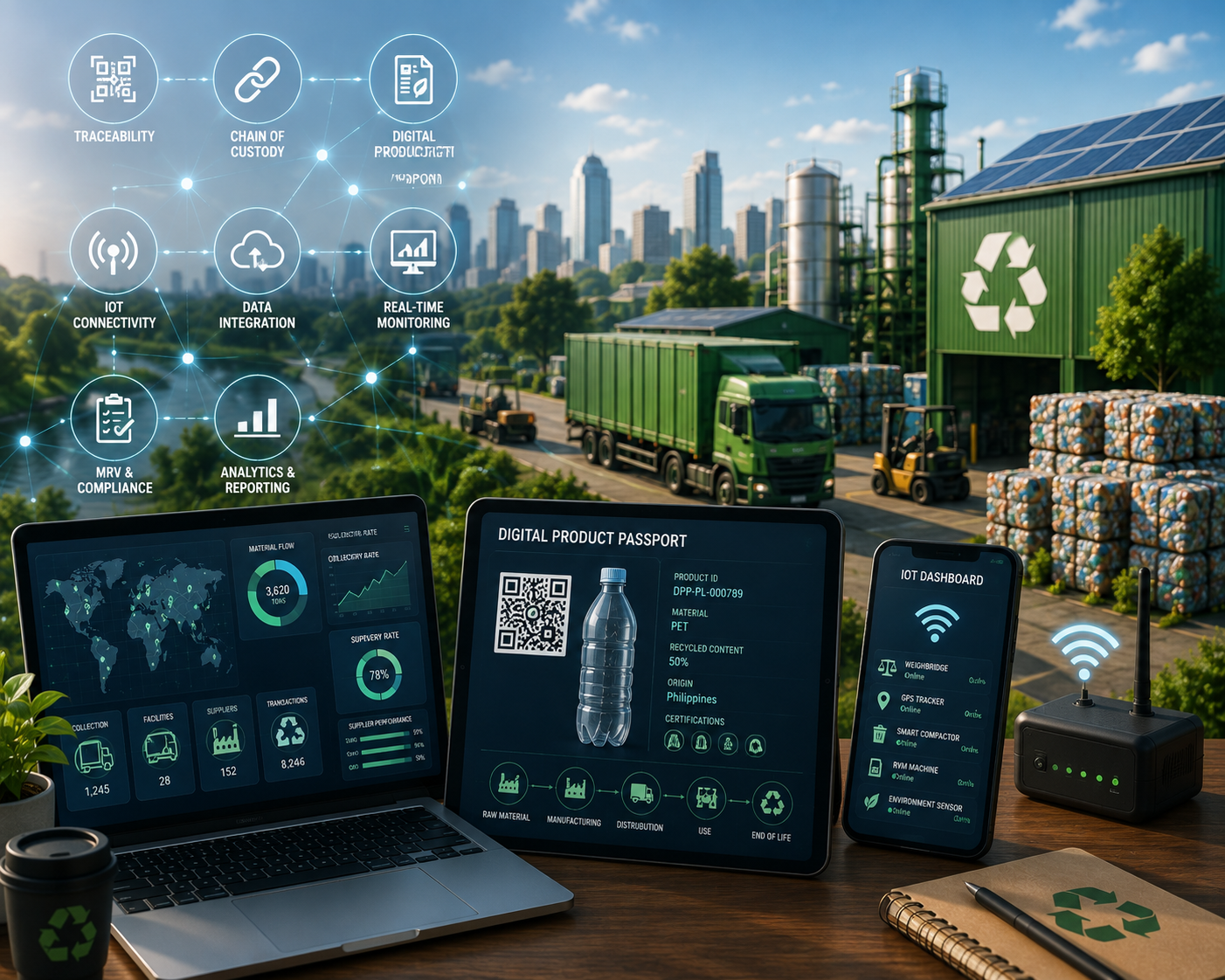
Circular economy systems depend on more than physical infrastructure. They require trusted data, traceability, connected systems and digital workflows that make materials, transactions and environmental outcomes visible across the value chain.
Material Traceability
Chain of Custody
Digital Product Passports
Data & Operational Intelligence
MRV & Compliance Systems
Digital Ecosystem Integration
Why ASM Global Is the Right Choice
Digital Built Around Real Operations
Our systems are designed around actual material flows, facilities, collection networks and business processes—not just data collection.
Traceability + Compliance + Intelligence
We connect traceability with compliance, reporting and analytics so data can support both operational decisions and regulatory requirements.
Built for Complex Circular Ecosystems
Our digital infrastructure can connect governments, producers, collectors, recyclers, processors, project operators and other stakeholders across fragmented value chains.
Services We Offer
We help clients design, deploy and operate digital systems that make circular economy activities connected, traceable and measurable
Services include:
- Digital Traceability Systems
- Product Passport & Digital Identity
- MRV & Compliance Platforms
- Data Integration & IoT Connectivity
- Dashboards & Decision Intelligence
- Digital Ecosystem Development
Frequently Asked Questions
1. What is digital infrastructure for the circular economy?
It is the digital layer that connects physical assets, material flows, transactions, stakeholders and data to make circular systems traceable and measurable.
2. What materials can be tracked?
Our systems can support diverse material streams including plastics, agricultural residues, textiles, organic waste, recycled materials and other resource flows.
3. Can the system integrate with existing infrastructure?
Yes. Digital platforms can integrate with systems such as weighbridges, GPS, IoT sensors, SCADA, RVMs, collection vehicles and facility management systems.
4. Can digital infrastructure support EPR compliance?
Yes. Digital traceability and reporting can support producer registration, collection and recovery data, transaction records, evidence management and compliance reporting.
5. What is a Digital Product Passport?
A Digital Product Passport creates a digital identity for a product and can provide structured information about its materials, origin, manufacturing, sustainability attributes, certifications, use and end-of-life pathways.
6. Can the platform work across multiple organizations?
Yes. Multi-stakeholder architecture can provide role-based access to governments, producers, collectors, recyclers, processors, project operators and other participants while maintaining appropriate data controls.
7. Does ASM Global provide only software?
No. Our approach combines digital architecture, process design, data integration, traceability, MRV and implementation advisory to create digital infrastructure around real circular economy systems.